Mosquito Types We Treat
Species found in Mumbai
→ Aedes (dengue vector)
→ Anopheles (malaria vector)
→ Culex (filariasis vector)
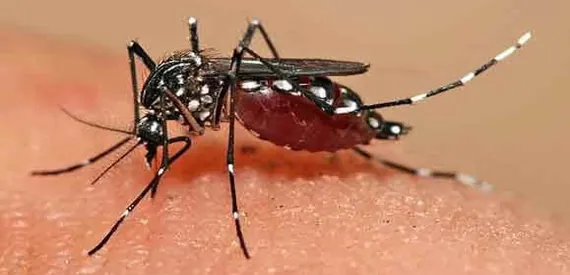
Professional mosquito control services across Mumbai, Thane, and Navi Mumbai. Dengue, malaria, and chikungunya risk starts with unchecked breeding. We treat water bodies, spray foliage, and apply larvicide for complete coverage.
| Mosquito | Diseases | Where it breeds |
|---|---|---|
| Aedes aegypti, bites during the day | Dengue, chikungunya, Zika | Clean stored water: buckets, drums, flower vases and pot trays, fridge and AC drip trays, tyres, construction curing water |
| Anopheles stephensi, the urban malaria mosquito | Malaria | Overhead tanks, wells, cisterns and water on construction sites |
| Culex, the night-biting nuisance mosquito | Filariasis | Polluted water: open drains, septic tanks, blocked gutters |
Aedes eggs stick to the walls of containers and can survive dry for months, then hatch when the container fills again. That is why emptying a container isn't enough; it needs scrubbing too.
Fogging kills the adult mosquitoes flying at that moment. In warm weather a new generation goes from egg to adult in about a week to ten days, so if breeding sites are left alone, numbers recover within days. Fogging is useful for quick relief, but lasting control comes from dealing with breeding sites.
During the monsoon, rain keeps refilling breeding sites, so larviciding has to be repeated regularly. For housing societies, offices and construction sites we recommend a scheduled monsoon programme from June to October.
Municipal health teams in Mumbai, Thane and Navi Mumbai inspect homes, offices and construction sites for mosquito breeding, and can issue notices and fines when larvae are found. A documented programme, with a treatment certificate after every visit, shows you are taking the required steps.
No one can. Mosquitoes travel, and residents also get bitten outside the building. A good programme sharply reduces breeding on your premises, which lowers the risk.
During the monsoon, from June to October, larviciding and spraying are usually needed every one to two weeks. Outside the monsoon, monthly visits are usually enough.
We use WHO and CIB-approved products. During fogging, close windows, keep children and pets indoors, and cover fish tanks and food that is outside.
Yes. Construction sites are among the biggest breeding sources, and municipal teams inspect them closely. We treat curing water, lift pits, basements and debris that collects water, on a regular schedule.
It depends on the size of the compound and how many breeding sites need treatment. We inspect first and give an itemised quote.